 Wittmann AZ
Plumbing Questions Wittmann, AZ Homeowners Ask
Thirteen questions cover what a homeowner most needs to know before, during and after a plumbing problem. Each answer starts with the direct reply and then explains why.
CALL (623) 323-3182ALL SERVICES- Licensed and insured plumbers
- Same-day service when available
- 24/7 emergency dispatch
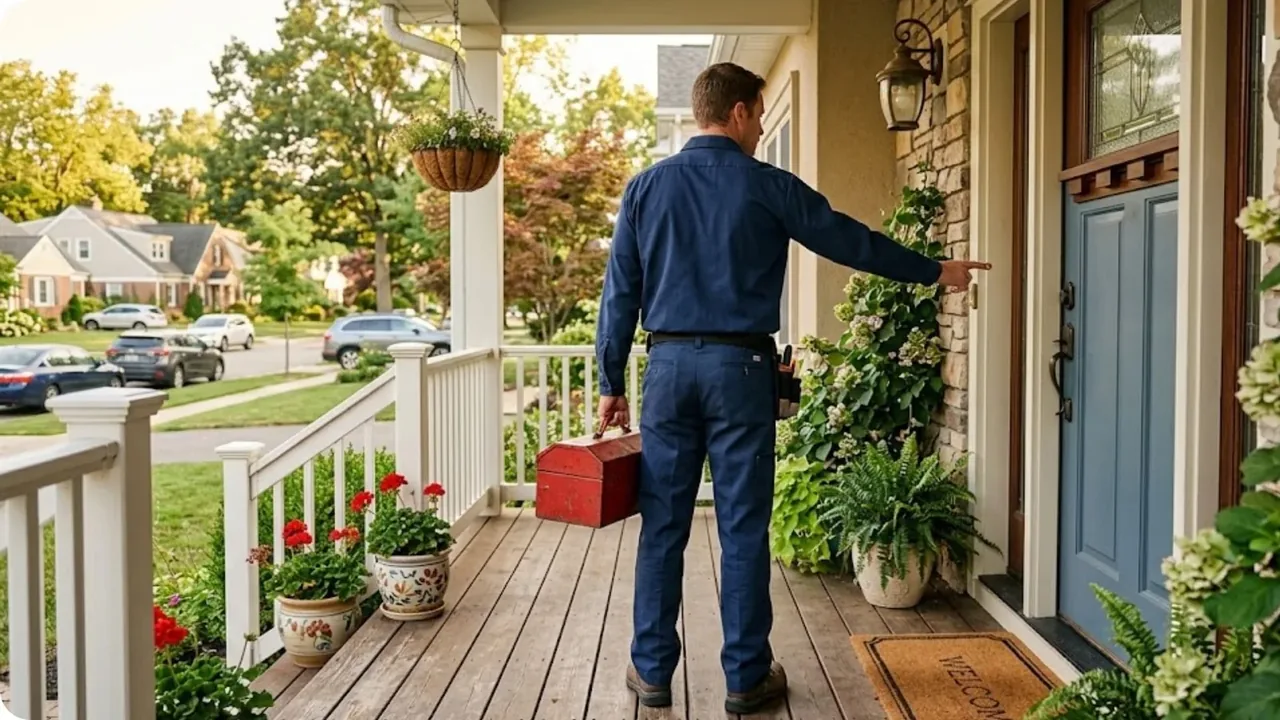
What to do before dispatch answers and while you wait
Most callers are in a hurry, so these four come first. They cover what to gather, what to do with the water, what the after-hours line is and whether your ZIP code is in the network.
What should I have ready before I call a plumber?
Have the street address, a short description of what the house is doing and the location of the main water shutoff. Photos of the leak, the label on the water heater or the brand name on the fixture help the dispatcher decide what to send. If you cannot find the shutoff, say so, and the dispatcher can talk you through looking for it. Note when the problem started and whether it is steady or comes and goes. For a pressure complaint, say whether it is too high or too low and whether every tap is affected, since that points toward a regulator, a partly closed valve or a line problem. None of this has to be perfect, and a call with half the details beats waiting to collect them all.
What can I do while I wait for the plumber to arrive?
Stop the water first, then limit the damage. Close the shutoff valve for the fixture, or the main valve if water keeps flowing. Move rugs and furniture away from the wet area, stay out of standing water near outlets or appliances and photograph what you see for your records. Leave the repair itself to the plumber. If the problem is a gas smell, skip all of that: leave the building and call from outside.
Does dispatch really answer after hours, and what should I expect?
A running leak at two in the morning is exactly what the after-hours line exists for, and dispatch answers around the clock, every day. Expect a conversation rather than a promised minute. The dispatcher asks what you see, tells you how to limit the damage and then says what is available. Same-day visits depend on a plumber being available, and availability can differ at the edge of the network, so call and ask.
Which ZIP codes and towns are in the coverage area?
Say you live at an address in ZIP 85375 and wonder whether dispatch reaches you. The network includes ZIP 85361 for Wittmann plus the ZIP codes in Surprise, Waddell, Sun City West, Vistancia, Morristown and Wickenburg, and the coverage map page lists every one. Morristown and Wickenburg sit at the perimeter, so the dispatcher confirms availability by phone for those.
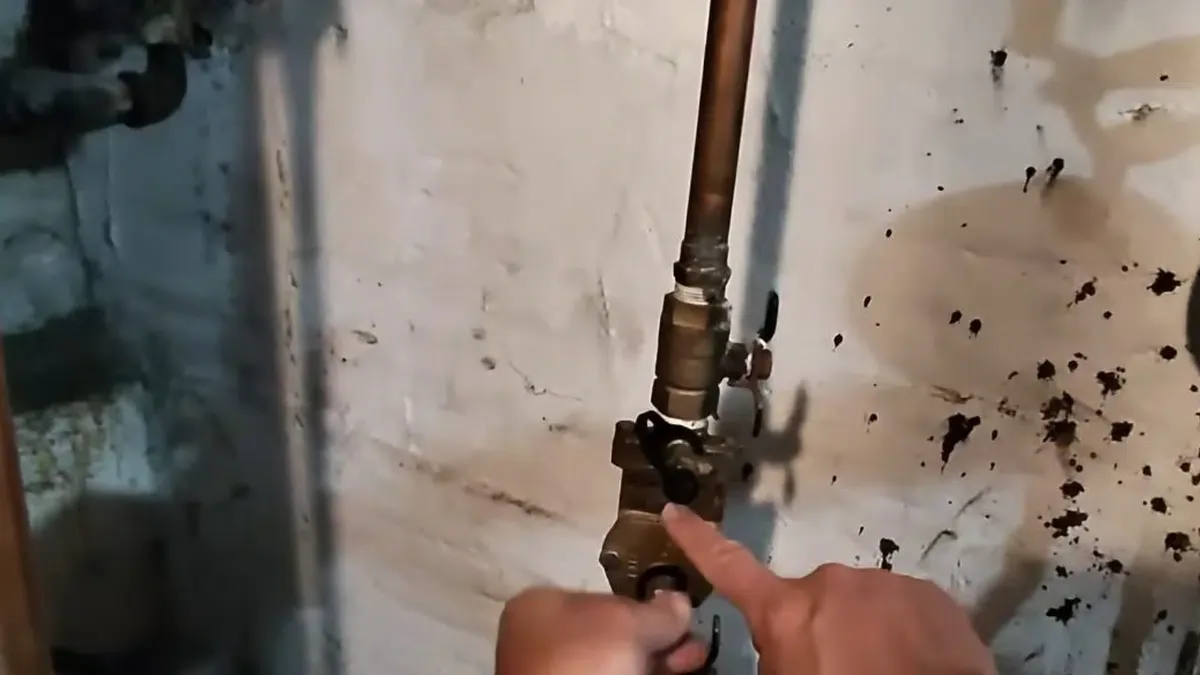
Water running right now? Call dispatch.
Close the valve first, then call and say what you see.
Who is responsible, who checks the work and what the water is like
Responsibility for a pipe, the office that reviews a permit and the quality of the water all follow the address. These answers say what is usually true and where to confirm it.
Who is responsible for which pipe: me, the utility or the HOA?
If water is coming from inside a wall or from a fixture, the pipe is almost always yours. The split gets harder outdoors. The utility usually keeps the main and the meter, the homeowner usually keeps the line from the meter to the house, and an HOA may control shared lines inside a community. Check your bill for the utility name, read the HOA documents for shared pipes and ask the utility where its side ends before you pay for an outdoor repair.
Who checks plumbing work for code compliance?
The answer follows the property. Inside a city or town, that city's building department reviews permitted plumbing work. On unincorporated county land, the county permit office does. Safety parts, such as the pressure relief valve on a water heater, are the kind of detail code covers, so ask whether yours is required and in place. Either way, the plumber should say whether a permit is part of the job and who applies for it. The areas hub names the office for each place side by side, so contact that office before starting anything larger.
Which county or city office has jurisdiction over my address?
Work through three steps. First, find out whether the address is inside a city or town, because a mailing address can mislead and a tax bill or county parcel record is better evidence. Second, if it is inside one, that city's building department has jurisdiction. Third, if it is not, ask Maricopa County Planning and Development. Wittmann itself sits on unincorporated land in Maricopa County, but the status of a particular parcel is for the office to confirm.
How hard is the water here, and is a softener or filter worth it?
No hardness figure for Wittmann is quoted here, because no current report was confirmed for this page and published numbers for nearby places conflict. Utility data for Surprise shows a groundwater supply, and scale is a common complaint with groundwater. The number for your address comes from your provider's yearly water quality report. If scale keeps building on faucets and heaters, price a softener, and if the complaint is taste, a filter may suit better. The softener and filtration page goes through both.
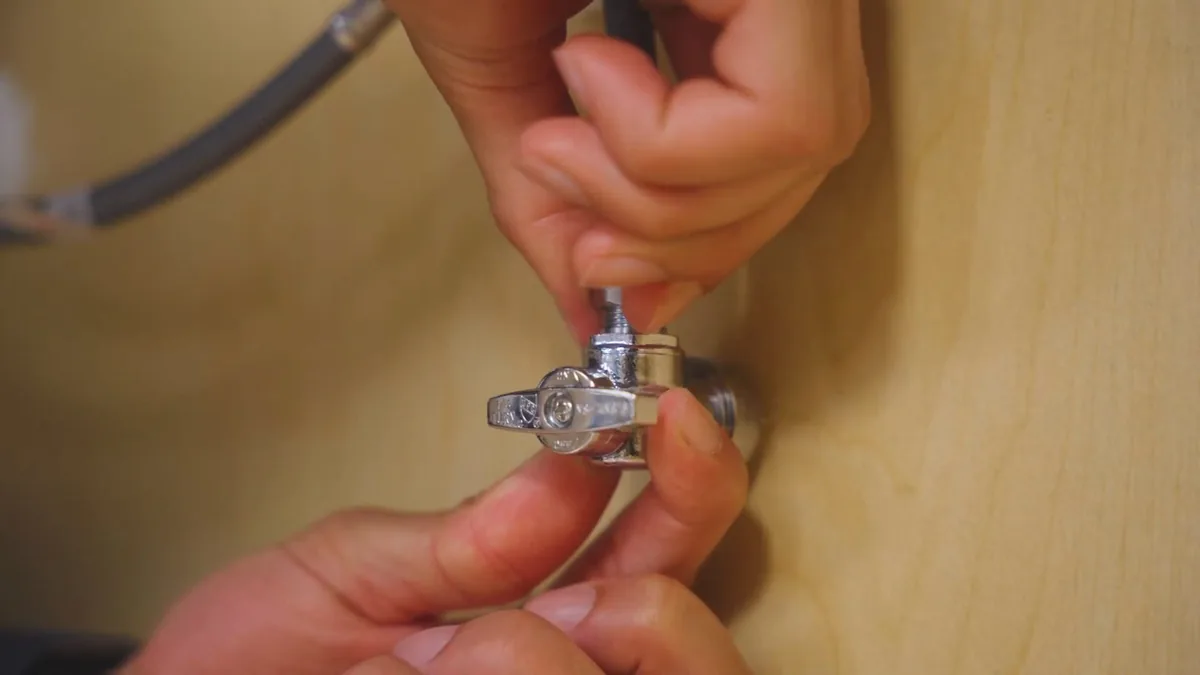
A quick guide to the usual split in responsibility
The table sums up the pattern in the first answer above. Treat it as the usual case. Utility rules and HOA documents vary, so the last column is the real test.
| Pipe or part | Usually looked after by | How to confirm |
|---|---|---|
| Fixtures, supply lines and drains inside the house | The homeowner | Your own inspection, or a plumber visit |
| The line from the meter to the house | Often the homeowner | Ask the water utility where its side ends |
| The main and the meter | The water utility | The utility name on your bill |
| Shared lines inside a community | Sometimes the HOA | The HOA documents or the management office |
Repairing, replacing, inspecting and maintaining
These five cover decisions rather than emergencies. For price questions, the cost page explains what changes a quote and what to ask before you agree.
Should I repair it or replace it?
Use four checks. First, age: an old unit or pipe with a long repair history leans toward replacement. Second, repeat failures: a second repair in a short time is a signal. Third, the cost of the fix compared with the cost of replacement, which the plumber should put in writing. Fourth, safety and code, because some old parts cannot be repaired to current standards. Ask the plumber to show you the failed part and explain the choice in plain words.
When is a camera inspection worth doing?
It is worth doing when a drain clogs again after being cleared, when you are buying a house with an unknown sewer line, or when a plumber suspects a break or roots. The camera shows what the line looks like, so the repair targets the real fault. A first ordinary clog that clears and stays clear rarely needs one. Ask for the footage or stills so you see what the plumber saw. The sewer line page explains what comes after a bad finding.
What plumbing problems come up when buying or selling a house?
Picture a buyer whose inspector notes a water heater near the end of its life and slow drains in the upstairs bath. Those are typical findings, along with slow leaks under sinks, corroded supply lines and an unknown sewer line. A seller can fix known items before listing, and a buyer can ask for a repair or a camera look at the sewer line. A written plumber's note lets both sides argue from the same facts.
What do maintenance visits and plans usually include?
There are two options to compare. A one-time checkup usually means looking at the visible parts: shutoff valves, supply lines, under-sink traps, the water heater and outdoor hose bibs. A recurring plan is an arrangement some plumbing companies sell, and this site does not describe one, so ask dispatch what is offered instead of assuming. Either way, a visit is worth more when you have a list of small problems to hand the plumber.
What plumbing maintenance mistakes should I avoid?
The usual ones are ignoring a small drip, forcing a stuck valve, pouring grease down a drain, flushing wipes sold as flushable and never learning where the main shutoff is. Each is easy to avoid and harder to fix later. Operate the main shutoff once a year so you know it turns, and tell the plumber about any valve that will not move before the visit.
Still have a question? Dispatch can answer it.
Call any time and describe what the house is doing.
- Licensed and insured plumbers
- Same-day service when available
- 24/7 emergency dispatch