 Wittmann AZ
No Hot Water in Wittmann? Water Heater Repair for Leaks, Pilots and Elements
The first sign is usually a cold shower, a puddle by the tank or a rumbling sound from the closet. Call the dispatch line, say what you notice and whether the heater is gas or electric.
CALL (623) 323-3182ALL SERVICES- Licensed and insured plumbers
- Same-day service when available
- 24/7 emergency dispatch
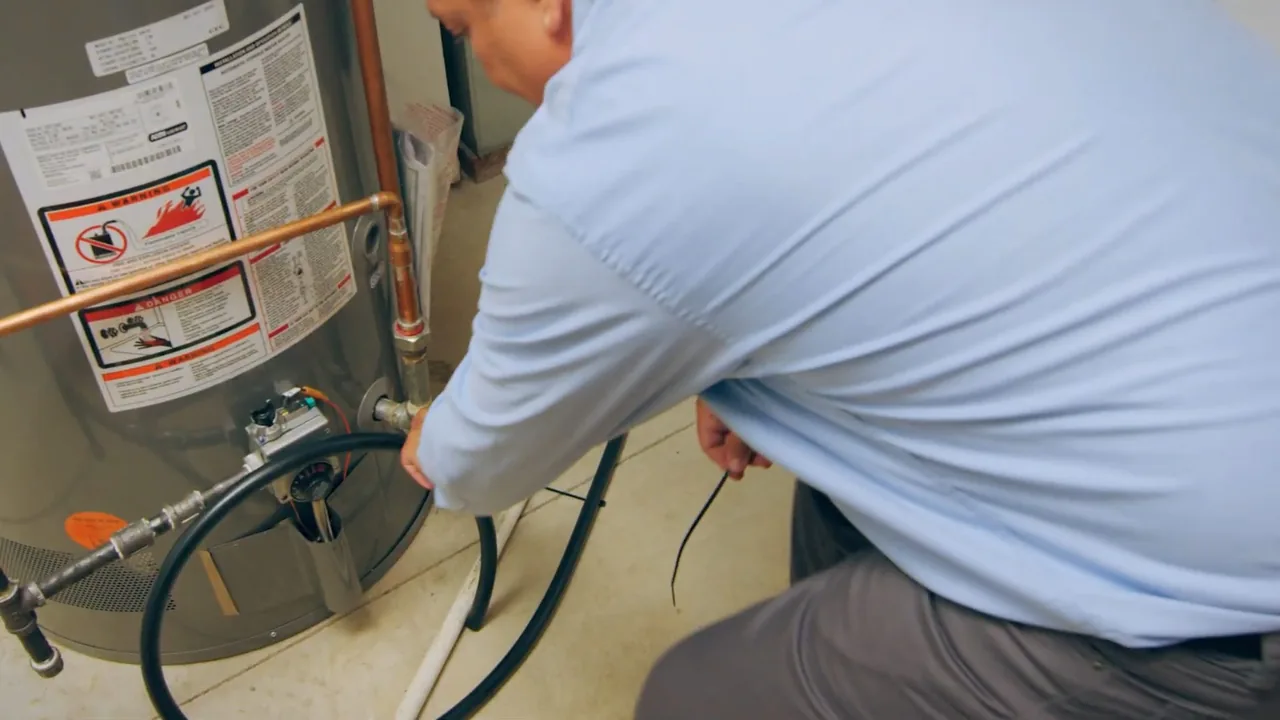
Match the symptom to the likely fault
A water heater is an appliance with few parts, and appliance water heater leaks are among the most common calls. Most failures fall into a short list. Start with what you see, hear or feel. The table below is a starting point. The plumber confirms the cause on site.
| What you notice | Likely cause | Gas or electric |
|---|---|---|
| Lukewarm water that never gets hot | Failed element or thermostat; burner not firing | Electric first; gas if the flame is weak |
| No hot water at all | Pilot out, tripped breaker, failed thermocouple or element | Both |
| Hot water runs out fast | Sediment buildup, failed lower element | Both |
| Popping or rumbling | Scale and sediment on the tank bottom | Both |
| Water around the base | Leaking fitting, relief valve or tank | Both |
| Smell of gas near the unit | Gas leak at the valve or line | Gas only |
Scalding water at the tap is a different problem. It usually means the thermostat is set too high or has failed. Turn it down and call if it does not help.
Gas smell or water spreading? If you smell gas, get out first, then phone 911 or the gas utility from the yard. For a water leak, switch off the power or gas control, close the cold valve to the tank and call dispatch.
Wittmann gas and electric water heaters: different parts, different faults
A gas water heater makes heat with a burner under the tank. When it stops, the usual suspects are the pilot light, the thermocouple that senses the flame, the gas valve and a dirty burner. A pilot that keeps going out often points to a worn thermocouple or a draft at the vent. A smell of gas means stop, ventilate and call from outside.
An electric water heater makes heat with two heating elements, one near the top and one near the bottom. A failed upper element leaves you with lukewarm water. A failed lower element means you run out of hot water quickly. A tripped thermostat or high limit switch cuts off both. The fix is usually a part, and the plumber tests it before replacing it.
Know which type you have before you call. A high efficiency model uses different parts, and heater plumbing varies with the brand, so say what the label says. The label on the tank says, and so does the presence of a gas line and a flue pipe. It takes the dispatcher a moment to match the visit to the heater, and the plumber arrives with the right parts.
No hot water or a puddle by the tank? Call dispatch.
Say gas or electric and what you see.
Leaking tank versus leaking fitting
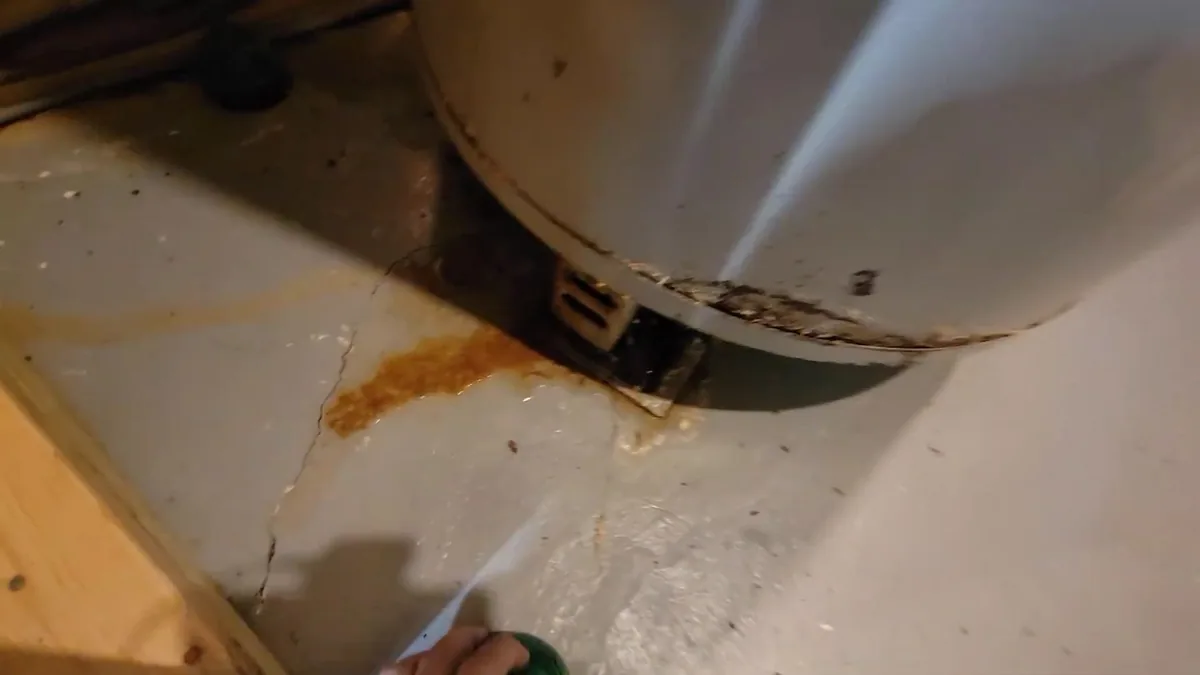
This is the question that decides repair or replacement. A fitting leak is at a connection on top of the heater: the cold inlet, the hot outlet, the relief valve or a drain valve. Those parts are repairable. A tank leak comes from the steel shell, often at the bottom or the seam. Once water seeps through the tank, the steel has failed and no fitting can fix it.
Dry the area with a towel and watch where fresh water appears. Look at the top connections, then the relief valve discharge pipe, then the base. Take a photo of what you find. The plumber can use it to arrive with the right parts or, if the tank has gone, to talk through replacement options.
A tank that is 8 to 12 years old and leaking from the shell is at the end of its life. Many tanks last about that long. Age is on the data plate, and the serial number often encodes the month and year.
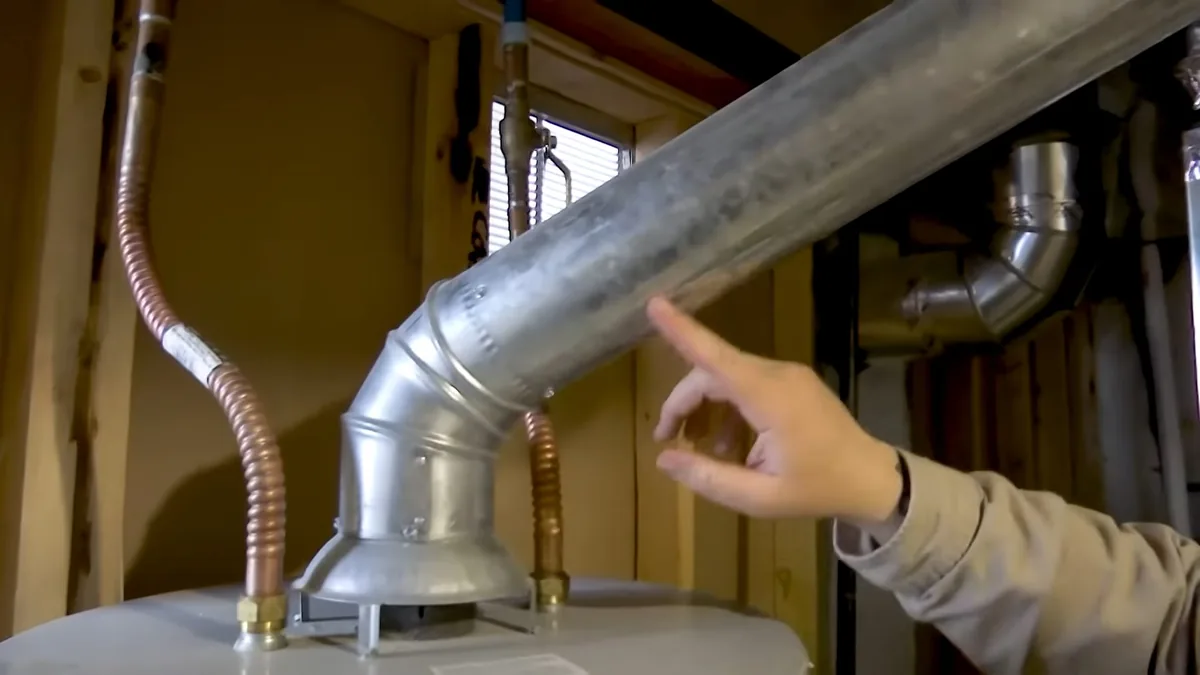
Sediment, noise and the flush that helps
Popping and rumbling come from sediment. Minerals settle out of the water and collect on the bottom of the tank. Water trapped under that layer boils and pushes through, which makes the noise. The layer also insulates the water from the burner or element, which wastes energy and shortens the heater's life.
Hard water makes the problem faster. Water from groundwater supplies across much of Arizona tends to be hard, and the Surprise groundwater system is documented as hard by several sources. No Wittmann figure is published here. Your utility's annual water quality report states the number, and your bill shows who supplies you. If you use a softener, ask how it affects the heater, and see softener and filter service.
Routine water heater maintenance is mostly a flush and a check of the relief valve. A flush drains the tank through the bottom valve until the water runs clear. It works best on a healthy tank before the sediment hardens. On a tank that has not been flushed in years, the drain valve can clog or the stirred sediment can cause a leak. Ask the plumber whether a flush makes sense for yours. The plumber may suggest checking the anode rod, a replaceable part that protects the tank from rust, as part of the same visit.
Pilot, igniter, element and thermostat faults
Small faults add up to most service calls, and everyday repairs like these are where repair earns its place. A pilot that will not stay lit may need a new thermocouple. An igniter that clicks and does not catch may be dirty or worn. A burner that is sooty, noisy or yellow-flamed needs cleaning and a look at the vent. On an electric unit, a failed element or a tripped thermostat is a part swap.
These repairs are worth doing when the tank is sound. They are less worth doing on a tank near the end of its life, since the next failure may be the tank. Ask the plumber for a plain recommendation: repair, repair and monitor or replace. Some visits start as repair and end as installation of a new unit. The reasons for each should be clear.
Permits are a separate question. Wittmann is an unincorporated community, so building permits typically come from Maricopa County rather than a town. A repair often needs none and a replacement may. Ask the plumber whether your address needs one and who handles it.
Heater acting up? Describe it to the dispatcher.
A short call matches the right parts to the visit.
Five water heater questions, answered
Can a water heater be repaired, or does a leaking tank always mean replacement?
The answer depends on where the water comes from. Check in this order. 1. Look at the pipe fittings on top. A loose connection or a worn valve is repairable. 2. Look at the temperature and pressure relief valve and its discharge pipe. A dripping valve can be replaced. 3. Look at the bottom and the seam of the tank. Water from the tank itself means the steel has failed. One caution: a repaired fitting on an old tank can hide a tank that is about to go, so ask the plumber about the tank's age.
What causes a water heater to stop heating?
Picture a morning shower that runs lukewarm and then cold. On an electric unit, a failed heating element or a tripped thermostat is the usual cause. On a gas unit, a pilot that has gone out, a dirty burner or a failed thermocouple stops the flame. Sediment in the bottom of the tank can also blanket an element or burner so it heats poorly. The plumber checks power or gas first, then the parts that make the heat, and tells you what failed.
What happens if I wait to repair a water heater that still works but acts strangely?
What to do now: look for water around the base, listen for popping and check the temperature. What can wait: a slow drop in hot water, for a day, if there is no water on the floor and no gas smell. What cannot wait: any leak that spreads, a pilot that will not stay lit or a hissing from the relief valve. A tank that fails after hours is the kind of call that costs more in damage than in repair.
Why does my water heater make noise and run out of hot water quickly?
Start with the sound. Popping and rumbling mean mineral scale and sediment at the bottom of the tank. Water trapped under the sediment boils and bursts through it. The sediment also takes up space, so the tank holds less hot water. Hard water speeds this up. A flush clears loose sediment from a tank that is still healthy. A tank that has built up for years may not recover, and the plumber can tell you which kind you have.
Do I need a plumber for a water heater repair, or can I do it myself?
Compare the two options. Safe for a homeowner: turning the thermostat down, resetting a tripped breaker, and relighting the pilot by following the label. Better for a plumber: anything involving gas lines or gas valves, electrical parts, the relief valve and the water connections. Mistakes with gas and electricity are the ones that hurt people. When in doubt, shut off power or gas and call.
When a repair is not the answer
If the plumber finds the tank has failed, the next step is replacement, and the replacement page covers sizing and removal. If you are weighing an on-demand unit, see tankless water heaters for what changes in venting and gas supply. A leak that spreads beyond the heater is a water damage question, and drying the affected floor comes after the water is stopped.
Ask the dispatcher about timing today, and a leak that spreads is worth a call at any hour. What a repair costs depends on the part and the labor. The cost guide shows what drives a quote. Call (623) 323-3182.
Ready to get the hot water back? Call the dispatch line.
Day or night, someone answers.
- Licensed and insured plumbers
- Same-day service when available
- 24/7 emergency dispatch
- Licensed and insured plumbers
- Same-day service when available
- 24/7 emergency dispatch