 Wittmann AZ
Emergency Water Damage Service in Wittmann: Water Removal and Drying
Water spreads into walls and floors within hours. Call the water damage line, say where the water is and stay out of any room with live outlets under water.
CALL (623) 526-3151ALL SERVICES- Licensed and insured plumbers
- Same-day service when available
- 24/7 emergency dispatch
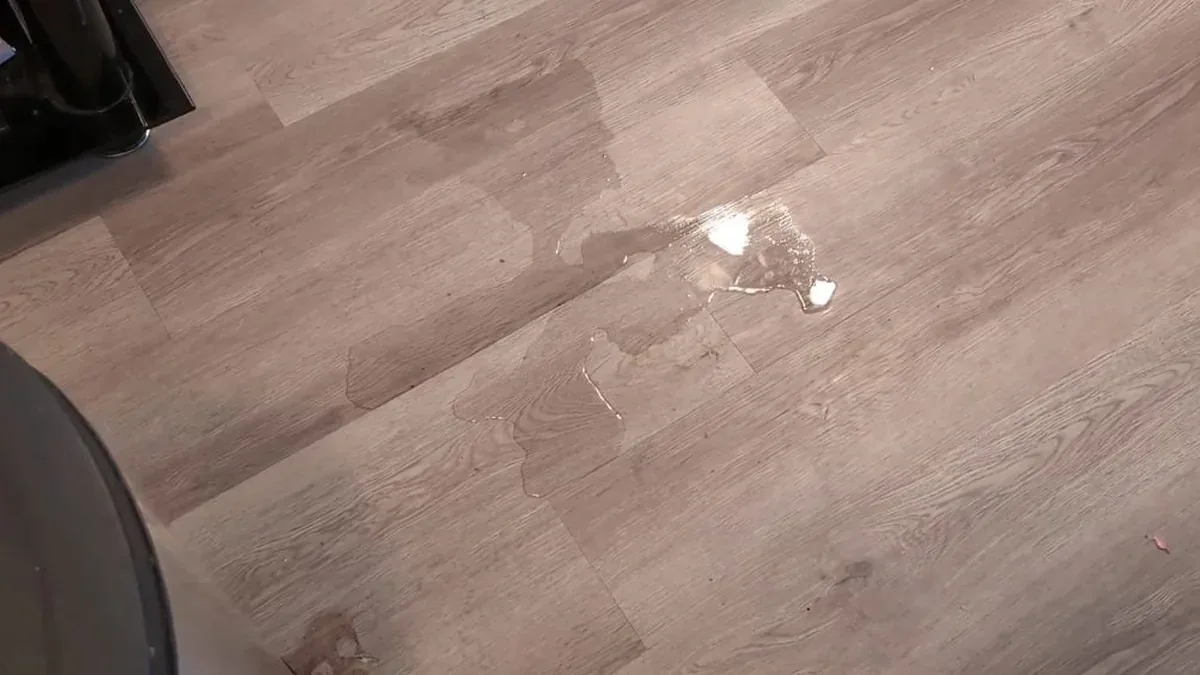
Flooding in Wittmann: monsoon storms and burst pipes
Water damage here comes from two main directions. One is the plumbing: a burst pipe, a failed water heater or a supply line that gave way. The other is the weather. The National Weather Service defines monsoon season as June 15 to September 30, with flash flooding, microbursts and dust storms among its hazards.
Either way, the first hour decides how much has to be torn out. Water wicks up walls, soaks baseboards and sinks into carpet and padding. Dry materials can often be saved. Materials that stay wet for days usually cannot.
Before anything else. Do not enter a room where water touches outlets, a panel or plugged-in appliances. Shut off power at the breaker only from a dry spot. If you are unsure, stay out and call.
- Standing water on floors or in a garage.
- Wet or bubbling drywall and soft baseboards.
- A musty smell that does not fade.
- Warped flooring or lifting tile.
- Water stains growing on a ceiling.
Water extraction: getting the water out
Extraction comes first. Pumps and wet vacuums remove standing water, then the wet materials are checked. Carpet and padding can sometimes be lifted, dried and put back. Padding is often discarded because it holds water and is hard to dry.
The aim is to remove as much liquid as possible before drying starts. Every gallon left behind becomes humidity in the air and moisture in the framing. Say how deep the water is and how long it has been there when you call.
Clean, gray and black water
Clean water, such as from a supply line, is the easiest to handle. Gray water, from a washing machine or dishwasher, carries some contamination. Black water, such as sewage or floodwater, carries bacteria and is a health hazard. The category changes which materials can be saved.
Water on the floor? Call the water damage line now.
Say where the water is and whether the source is off.
Drying equipment: air movers and dehumidifiers
After extraction, air movers push air across wet surfaces and dehumidifiers pull moisture out of the air. The two work together. Fans alone just move wet air around. Moisture readings from walls and floors show when materials are dry.
| Equipment | What it does | Why it matters |
|---|---|---|
| Air movers | Move air across wet surfaces | Speeds evaporation from floors and walls |
| Dehumidifiers | Pull moisture from the air | Keeps the room from re-wetting |
| Moisture meters | Read moisture in materials | Shows when drying is finished |
| Extraction pumps | Remove standing water | Cuts the amount left to dry |
Wet wall cavities hold water that room air does not reach. Do not open every window and assume the job is done. Check readings until walls and floors are dry.
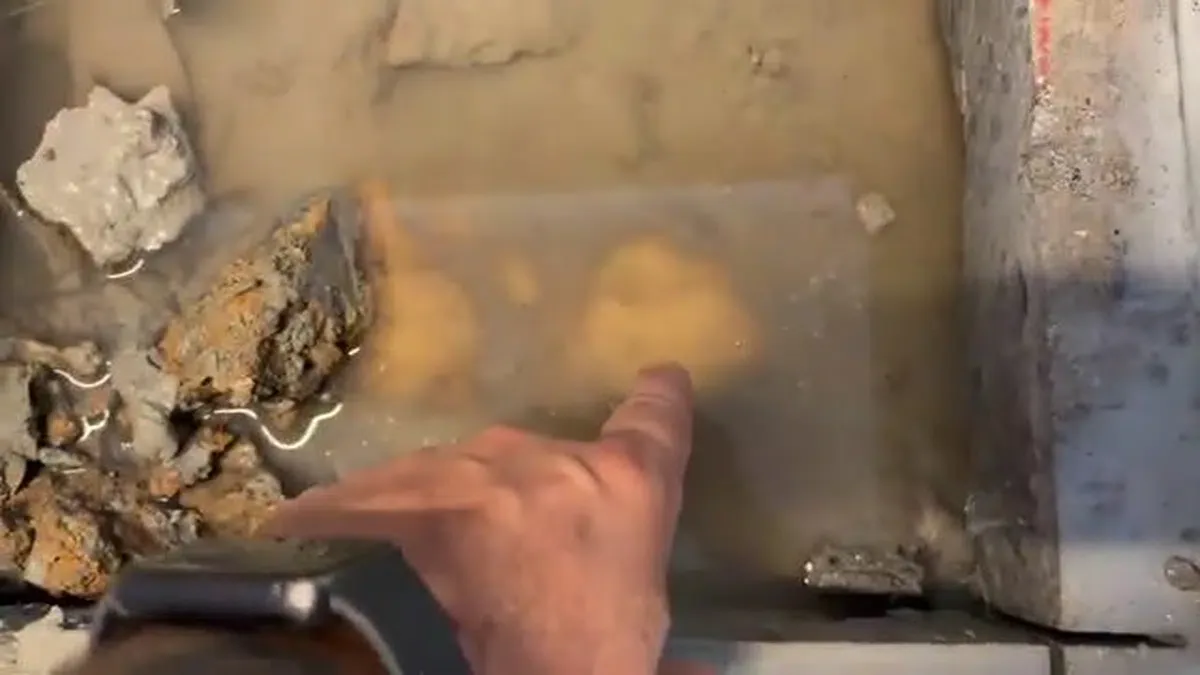
Finding the source: pipes, roofs, AC and irrigation
Not every wet spot is a plumbing leak. A roof leak shows as a stain on a ceiling. An air conditioner condensate line can overflow into a closet or an attic. An irrigation break can soak a foundation edge. Finding the source matters because drying does not help if the water keeps coming.
If the cause is a pipe, the plumber repairs it. See locating a hidden source for tracing hidden leaks, pipe repair and repiping for burst pipes and water heater repair for a failed tank. If a slab leak is suspected, slab leak repair steps explains the steps. A broken yard or meter-side line is covered under water line guide. Roof and irrigation repairs are other trades.
Damage assessment and what to document
Before moving anything, take photos and video of the water, the rooms and the damaged items. Write down the date, the likely cause and what you did to stop it. An adjuster will want this record, and so will anyone planning repairs.
A moisture map shows where water has traveled. It guides what to dry, what to open and what to remove. Ask for readings to be recorded at the start and at the end, so there is proof that the structure is dry. Policies differ, so ask your insurer what it requires. Keep receipts for emergency work, and write down who you spoke to and when. Dated notes help if a claim is questioned later.
Need water out and the house drying today? Call now.
The water damage line is open day and night.
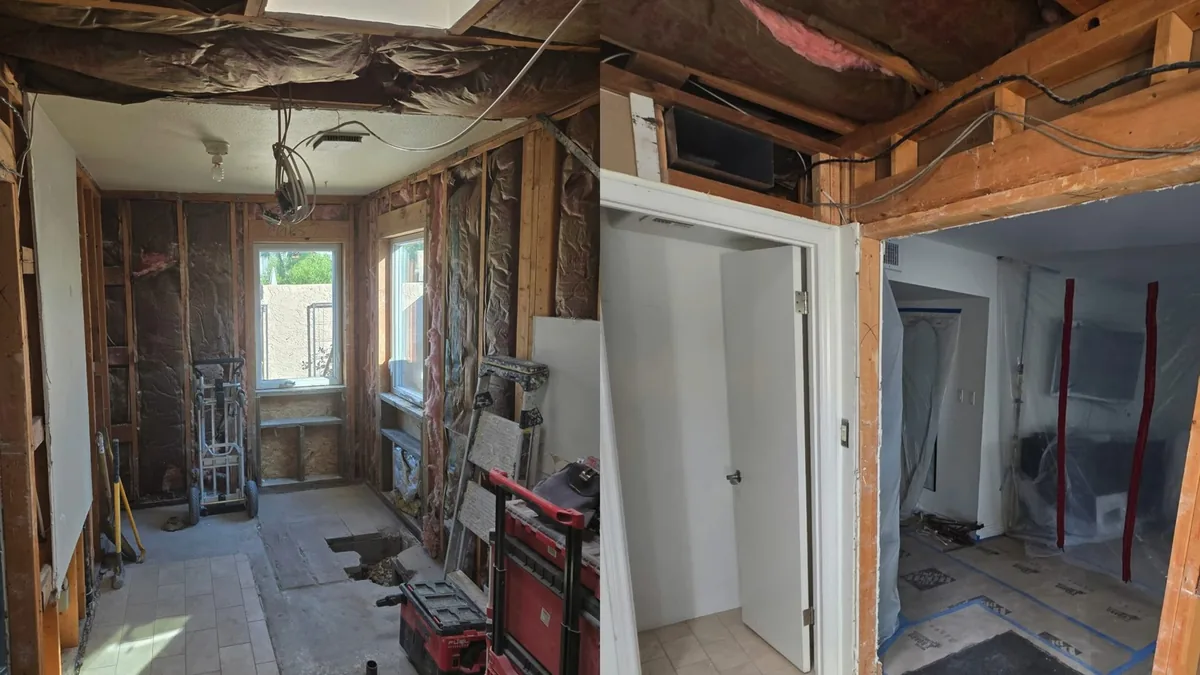
Sewage backup cleanup
Sewage in the house is a health hazard. Keep children and pets out, do not walk through it and do not try to clean it up with bare hands. The plumber finds and clears the blockage first. See sewer line repair and drain cleaning for how that works.
Once the line is clear, affected areas are cleaned and dried. Porous materials that touched sewage, such as carpet, padding and drywall, are often removed. Hard surfaces can be cleaned and sanitized. Ask what is being removed and why. A short written list of removed materials, with photos taken before they go in the trash, gives you something to show your insurer. Ask also how the area will be cleaned and how long it must stay closed.
Mold, fire damage and what this service does not cover
Fast drying is the best defense against mold. If you already see or smell mold, testing and remediation are a separate specialty, and a mold specialist should assess it. This service covers water removal and drying.
Smoke and soot cleanup is a different trade. Rebuilding walls, floors and finishes after drying is also separate work. The plumber can tell you what the dried structure needs next. If moisture readings stay high after drying, say so before any new drywall or flooring goes in.
Flooring, condos and apartments add their own questions. Hardwood and laminate may cup or buckle, tile can hide wet subfloor and a condo may involve a neighbor above and a building manager. Tell the dispatcher which applies.
Five water damage questions, answered
What should I do first when water floods my home?
Make the house safe. If water is near outlets, appliances or the panel, stay out and turn off power only from a dry spot. Stop the source if you can, such as the main water valve. Then call the water damage line and describe how far the water has spread.
How fast do I need to start drying?
As soon as it is safe. Water soaks into drywall, baseboards, padding and framing within hours, and damp materials can grow mold. Quick extraction and drying limit what has to be torn out. Do not wait for an insurance visit to start; document the damage with photos first.
Is sewage backup different from clean water damage?
It is. Sewage carries bacteria and is a health hazard, so people and pets should stay away. Porous materials that touched it, such as carpet and padding, are often removed. The plumber clears the line first, then the wet area is cleaned and dried.
Does water damage service include mold testing or remediation?
No. This service covers water removal and drying. Mold testing and remediation are a separate specialty. Drying fast is the best way to prevent mold, and if you already see or smell it, ask for a mold specialist to assess it.
What do I need for an insurance claim?
Photos and video of the damage before anything is moved, a list of damaged items, the date and cause, and any receipts for emergency work. Keep damaged items until the adjuster has seen them, unless they are a health hazard. Ask your insurer what it requires, since policies differ.
Water damage in Wittmann? Call the water damage line.
Day or night, someone answers.
- Licensed and insured plumbers
- Same-day service when available
- 24/7 emergency dispatch
- Licensed and insured plumbers
- Same-day service when available
- 24/7 emergency dispatch