 Wittmann AZ
Wittmann Whole-Home Repipe, Pipe Repair and Emergency Leaks
One leak is a repair. Leaks that keep coming back may mean the pipe itself is done. Call dispatch and say what you see.
CALL (623) 323-3182ALL SERVICES- Licensed and insured plumbers
- Same-day service when available
- 24/7 emergency dispatch
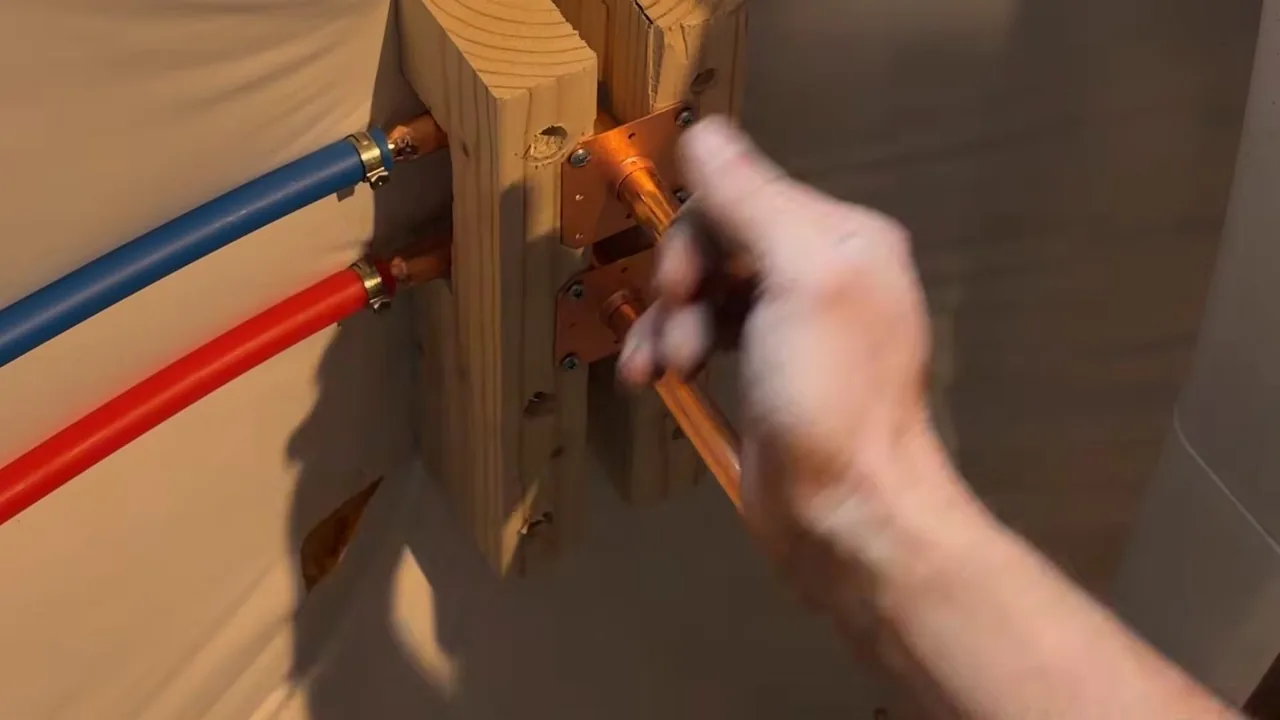
A burst pipe: what to do in the first ten minutes
Water moves fast once a pipe lets go. Your first job is to stop it. Find the main shutoff valve, usually near the meter box or where the line enters the house, and close it. Then open a faucet at the lowest point to drain the lines.
Turn off the water heater's power or gas if the break is near it. Lift rugs and shift furniture away from the wet zone, then photograph the damage for your records. Do not use electrical outlets or appliances in standing water.
Stay dry. Water touching a socket, the panel or a light fixture means you should stay out of the room and turn off power at the breaker only if you can reach it dry. Call the dispatch line from a dry place.
Pipe repair: when one fix is enough
A single failed joint or a pinhole in an otherwise sound line is a repair. The plumber cuts out the damaged section and joins new pipe with proper fittings. The wall opening is small, and the water is back on the same day in many cases.
| Pipe | Typical age issue | Common failure | Usual response |
|---|---|---|---|
| Copper | Pinholes from corrosion | Pinhole leaks, joint failure | Repair, or replace if widespread |
| Galvanized steel | Rust inside narrows the pipe | Low pressure, rust water | Replace, not patch |
| Polybutylene (gray plastic) | Fitting failures reported | Sudden leaks at joints | Replacement is usually advised |
| PEX | Newer, flexible | Fitting leaks, rodent or UV damage | Repair the section |
| Cast iron, PVC, CPVC | Drain and vent side | Cracks, bad joints | Section replacement |
Do not guess what is in your walls, because the age of homes varies across the area. Look where the pipes enter, take a photo, and ask the plumber to identify the material.
Water where it should not be? Call dispatch.
Say which room, and whether the main is off.
Copper pipes in Wittmann homes: pinholes and when to stop patching
Copper lasts a long time, but water chemistry can eat it from the inside. Arizona towns that draw on groundwater often have hard water. Look up your own hardness number in the yearly water report from your provider. Hard water does not always cause pinholes, but scale and corrosion both shorten copper's life.
One pinhole is a repair. A second in a different spot is a warning. Three or more in a few years suggest the whole system is thinning, and repairs become a repeating cost. Ask the plumber to look at the cut section and tell you what the inside looks like. Green or blue stains on the outside of a joint, and pin-sized wet spots along a straight run, both point to corrosion working from within.
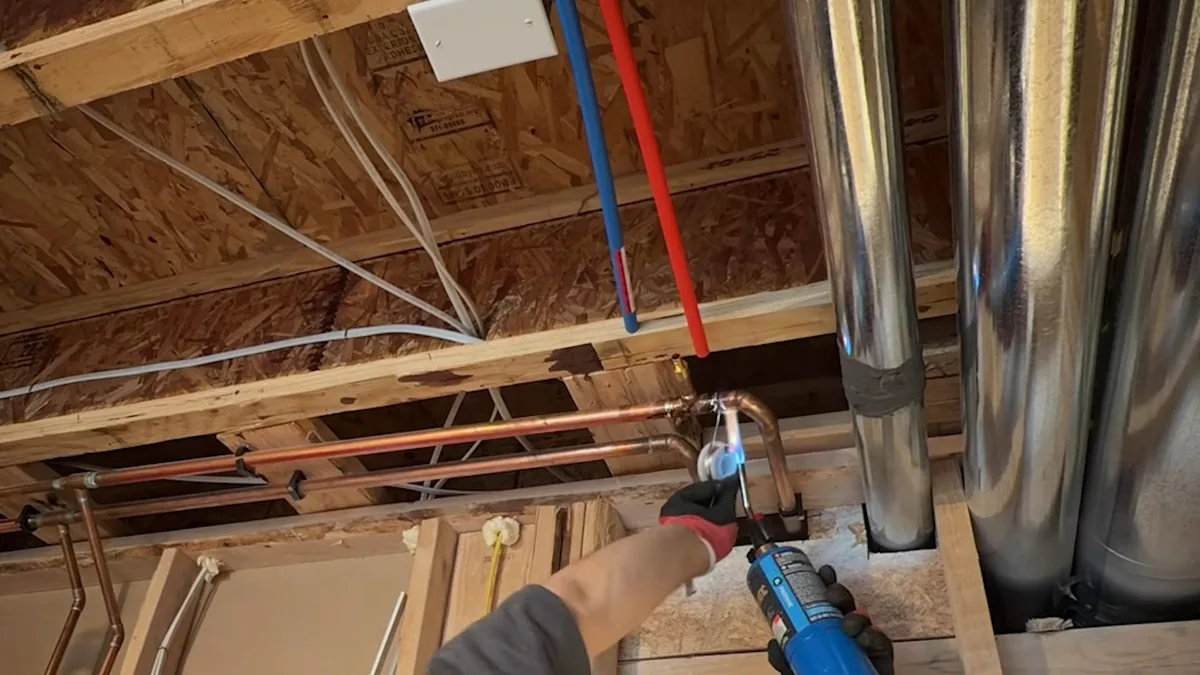
Whole-house repiping: signs it is time
- Repeated pinhole leaks in different rooms.
- Rust-colored or metallic-tasting water from the tap.
- Pressure that fades across the house.
- Gray polybutylene pipe at the water heater or main.
- Stains on walls or ceilings with no known source.
A repipe replaces the supply lines through the house, usually with PEX or copper. The plumber plans routes to limit wall openings, and you should ask how walls will be repaired and who does that work. Under-slab lines are a special case. Leaks under a slab are often rerouted through the walls and attic instead of breaking the floor. Confirm what you have before accepting any plan, and see slab leak guide for how that diagnosis works.
Plan for the water to be off during the work. Fill a few containers, and ask how long the water will be off each day. If you rely on the water for medical or pet needs, say so when you book. A repipe in an occupied house works best when the plumber finishes one section at a time and restores water each evening.
After the job, the plumber should test the new lines under pressure, check every fixture for leaks and show you the new shutoff locations. Keep the paperwork and the material warranty. If a wall was opened, confirm who patches and paints it before the work starts.
Expect a permit question. County offices, not a town hall, usually handle Wittmann permits, so have the plumber check your address first.
Leaks keep coming back? Ask about a repipe. Call dispatch.
A walkthrough tells you whether repair or repipe fits.
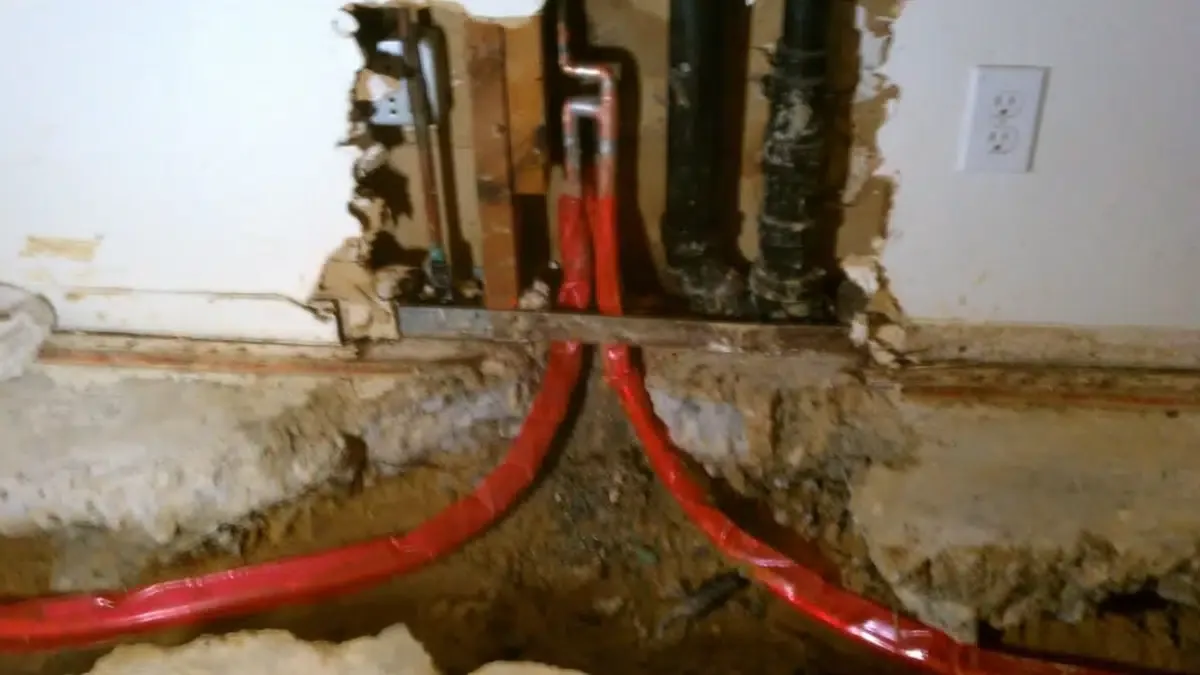
Galvanized, polybutylene and PEX: what to look for
Galvanized pipe and falling pressure
Galvanized steel rusts from the inside. The rust narrows the pipe, so pressure drops and rust-colored water shows up, often first in the morning after the water sat overnight. Patching a galvanized line rarely lasts, because the pipe next to the patch is just as worn. Replacement is the usual answer once the symptoms appear.
To check, look at pipes near the water heater or the main shutoff. Threaded gray steel with orange staining at the joints is a sign. Photograph it and send the picture to the plumber during the call.
Polybutylene, PEX and what the plumber will ask
Gray or blue plastic pipe at the water heater or main may be polybutylene, an older material that plumbers often advise replacing. PEX is the flexible plastic used in many repipes today. Ask which material is going in, who warrants the work and whether the new lines connect cleanly to your existing fixtures and shutoffs.
Before any wall is opened, the plumber should walk the house with you. Agree on where access holes go, which rooms are affected and how long the water will be off. A written scope avoids surprises.
Pinhole leaks, hidden leaks and a rising water bill
A pinhole can spray fine mist inside a wall for weeks. You may see only a stain or smell damp drywall. A rising bill with no change in use is another sign. To find the source, the plumber uses pressure tests and listening gear before cutting any wall. The finding hidden leaks explains that process in detail.
If water has already soaked drywall or flooring, drying matters as much as the repair. See drying out wet rooms for what that involves. For one dripping fixture, faucet and toilet repair may be all you need.
What a repair or repipe costs depends on the pipe, access and house size. The cost breakdown shows the factors behind a quote. Outdoor lines that run to hose bibs or irrigation are a separate matter, and irrigation is a separate trade.
Five pipe questions, answered
What is the difference between pipe repair and pipe replacement?
Repair fixes one failed section, such as a pinhole or a cracked joint. Replacement swaps out a longer run or the whole system. One leak in a sound pipe is a repair. Repeated leaks in different spots point to pipe that is wearing out everywhere, and that is where repiping starts to make sense.
How do I know if my house has galvanized pipes?
Galvanized pipe is gray steel with threaded joints. A magnet sticks to it, and a scratch shows silver-gray metal. Copper scratches to a reddish color, and a magnet does not stick. Rust-colored water and falling pressure often come with galvanized pipe. Photograph the pipes where they enter the house and show the plumber.
How can I prevent pipe problems?
Know where your main shutoff is and test it twice a year. Watch for damp spots, stains and a water bill that rises with no change in use. Fix small drips early. If your water is hard, ask about a softener, because mineral scale and corrosion shorten pipe life.
What should I do about a cracked or broken pipe?
Shut off the water at the main valve, open a faucet to drain the line and turn off the water heater if it feeds the break. Move belongings away from the water and photograph the damage. Then call the dispatch line and say where the water is.
Are cast iron, PVC and CPVC pipes repaired differently?
They are. Cast iron drain pipe is heavy and is cut and joined with couplings. PVC and CPVC are solvent-welded plastic, and each has its own cement and rules. The repair method follows the pipe material, which is why a photo of the pipe helps on the first call.
Burst or leaking pipe? Call the dispatch line now.
Day or night, someone answers.
- Licensed and insured plumbers
- Same-day service when available
- 24/7 emergency dispatch
- Licensed and insured plumbers
- Same-day service when available
- 24/7 emergency dispatch